Why BJJ Is One of the Best Sports You Can Put Your Child In
It's not just about self-defence. Brazilian Jiu-Jitsu builds focus, resilience, and confidence in children in a way very few other sports can match.
- Kids BJJ
- Parents
- Youth Programs
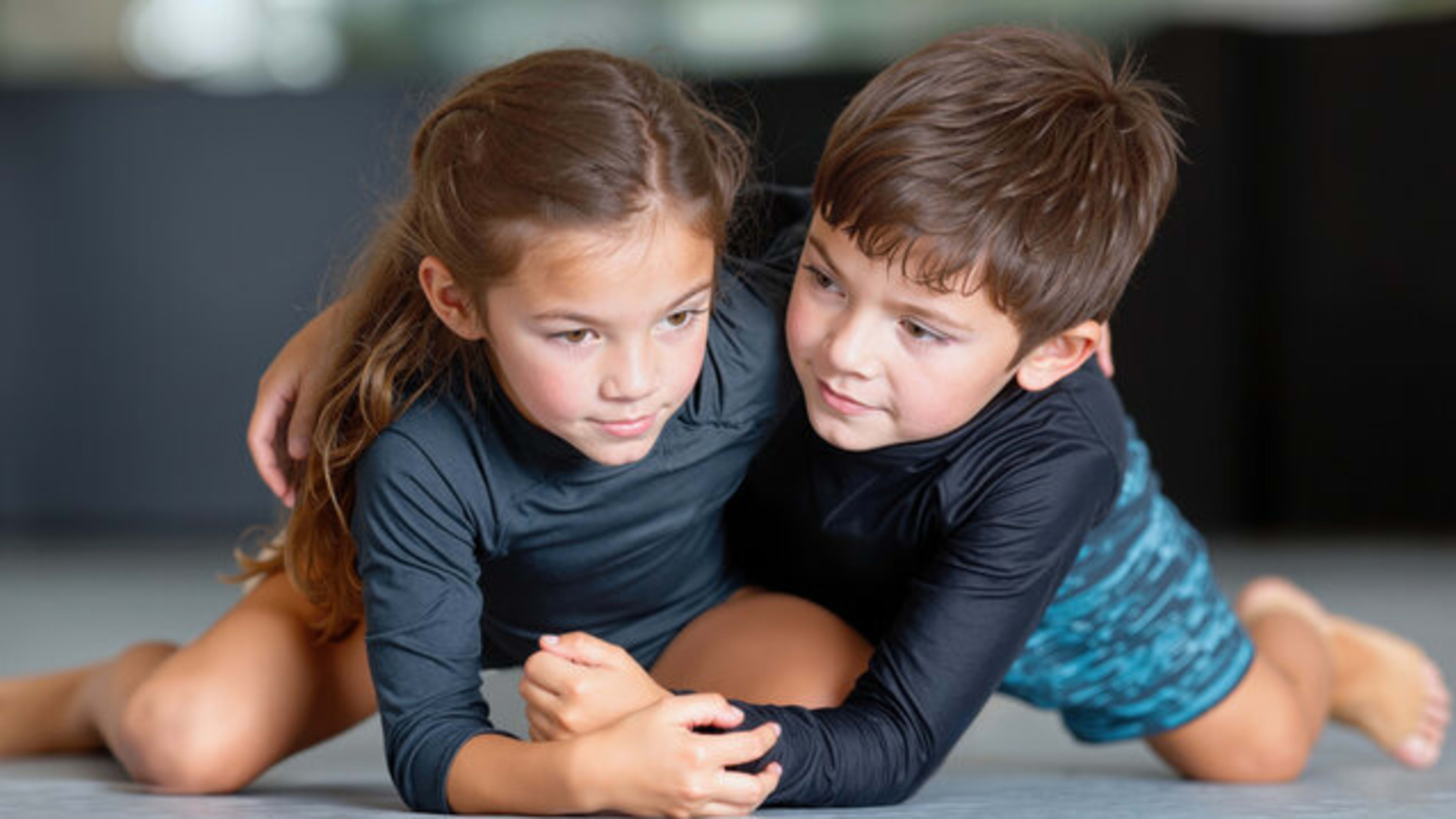
Most parents come to us looking for self-defence. That's a fair reason to start. But the ones who've been training their children with us for a year or two will tell you that self-defence is almost the least of what their kids took away from the mat.
Here's what Brazilian Jiu-Jitsu actually does for children — and why it works so well.
It Teaches Children How to Handle Adversity
Every child on the mat gets put in difficult positions. They get held down, they get tapped out, they face a training partner who is bigger or more experienced. What BJJ teaches — and this is baked into the sport — is that the right response to a bad situation is not panic. It's calm, systematic problem-solving.
That lesson travels off the mat. Parents tell us their children handle frustration differently. They stick with hard things longer. They recover faster when something doesn't go their way.
It Builds Real Confidence
Not the kind of confidence that comes from being told you're great. The kind that comes from knowing you've earned something. Every stripe, every belt, every technique drilled until it finally clicks — that's real progress a child can point to.
BJJ is also a sport where size and strength matter less than most. Technique and timing beat bigger opponents. A smaller child who trains consistently will regularly outgrapple a larger child who doesn't. That realisation changes how they carry themselves.
It's Social in a Unique Way
You have to trust your training partner. You're in close contact with them for the whole class. That creates a kind of bond you don't get from team sports where you're mostly running alongside each other.
Children who struggle socially often find their footing quickly on the mat. The relationship is simple: you're here to learn, so is your partner. Everyone taps, everyone helps each other get better.
It Demands Focus
BJJ is technical. You can't zone out during technique and pick it up later — there are too many moving parts, too many details. Children learn to pay attention. They learn to listen carefully the first time.
We hear this from parents regularly: 'He can't sit still at school, but on the mat he locks in.' The structure of a BJJ class — warm-up, instruction, drilling, sparring — gives children the kind of clear framework that helps them focus.
It Scales With Them
A child who starts in our Little Champs program at age four can train all the way through to our adult program at 18. The sport grows with them. The same fundamentals they learn rolling around on the mat as a six-year-old are the same ones they'll refine as a teenager competing at a regional level.
Very few sports offer that continuity. BJJ is a lifelong practice, and the earlier they start, the deeper their foundation.
It's Not About Fighting
This is worth saying plainly: a child trained in BJJ doesn't become more aggressive. The opposite tends to be true. When children understand what a physical confrontation actually involves — and know they can handle one — they're far less likely to feel the need to prove anything.
Bullying prevention is a frequent topic in our community. What we see, consistently, is that confident children who know how to defend themselves rarely find themselves in those situations in the first place.
If you want to see it for yourself, bring your child in for a free trial class. No gear, no commitment, no pressure. Just come and see what an hour on the mat looks like.
Frequently Asked Questions
At Grip BJJ, we welcome children from age 3 in our Little Champs program. Sessions for young children are age-appropriate — games-based, short, and focused on movement and fun rather than technique.
Yes. Children's BJJ classes use age-appropriate training with no dangerous submissions for young age groups. Instructors are trained to manage contact levels carefully, and the culture of the sport emphasises looking after your training partner.
Not unless they want to. Competition is optional at Grip BJJ. Many children train for years purely for the fitness, confidence, and social benefits without ever entering a tournament. Those who do compete find it an incredible experience.
Most parents notice changes in focus and confidence within the first few weeks. Physical improvements in coordination and body awareness typically show up within the first month.